
A simple story about keeping the things that matter safe.
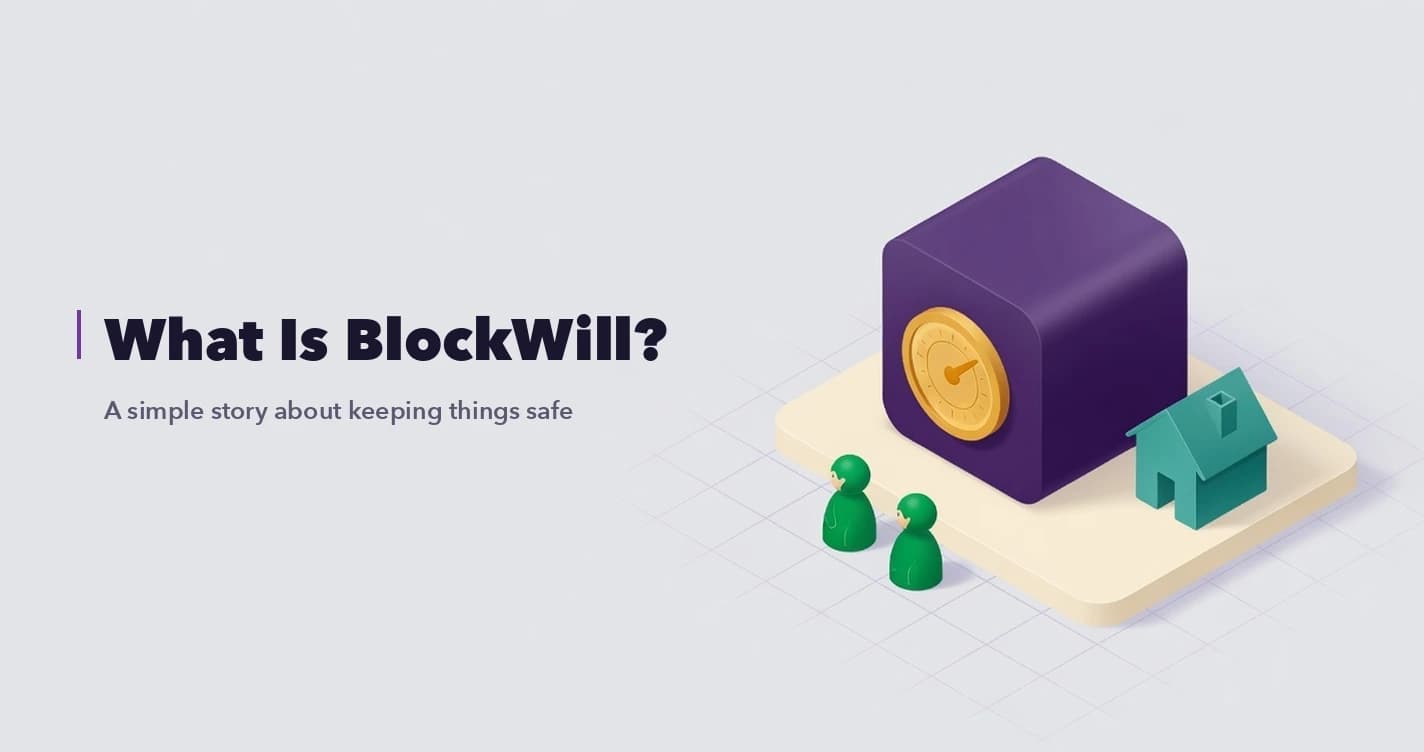
Imagine your grandfather kept a small metal box under his bed. Inside it were the things he cared about most: the deed to the family house, some savings, a gold ring he wanted to pass to your mother, and a letter for each of his grandchildren. There was only one key to that box, and only he knew where it was hidden.
Now imagine that one day, grandfather is suddenly gone, and nobody can find the key.
The box is still there. Everything he wanted to give is still inside. But the family cannot open it. They do not know what is in it, who it was meant for, or how to reach it. Years can pass with that little box sitting locked under the bed.
This is a story that happens to real families more often than you might think. And in today's world, the box is not always made of metal. More and more of what people own now lives online.
The problem: a lot of our lives have moved online
Think about how much important stuff lives on phones and computers today. People keep money in online accounts. They own digital assets like Bitcoin and other cryptocurrencies. They store photos, passwords, documents, and accounts that the whole family depends on.
Here is the tricky part. A lot of this online property is locked behind passwords and secret codes that only one person knows. If that person passes away or becomes very sick and cannot communicate, those codes can disappear with them.
This has actually happened in real life. There are well known stories of people who owned millions of dollars in digital assets, then lost the passwords forever. In one famous case, a company that held huge amounts of digital assets for its customers fell apart after its founder died, because he was the only person who knew the keys. The money was still there on the computers. Nobody could ever reach it again.
It is a heartbreaking kind of problem, because nothing was stolen. The owner simply never had a safe way to pass on the keys and the instructions. The information was locked in a box, and the key was lost.
This is the exact problem BlockWill was built to solve.
What BlockWill is
BlockWill is a digital inheritance platform. In plain language, it is a service that helps people safely store their important digital information and make sure it reaches the right people at the right time, even if the owner is no longer around to hand it over themselves.
Think of it as a smart, secure version of that metal box under the bed, except this box knows who is allowed to open it, when, and exactly what each person is supposed to receive.
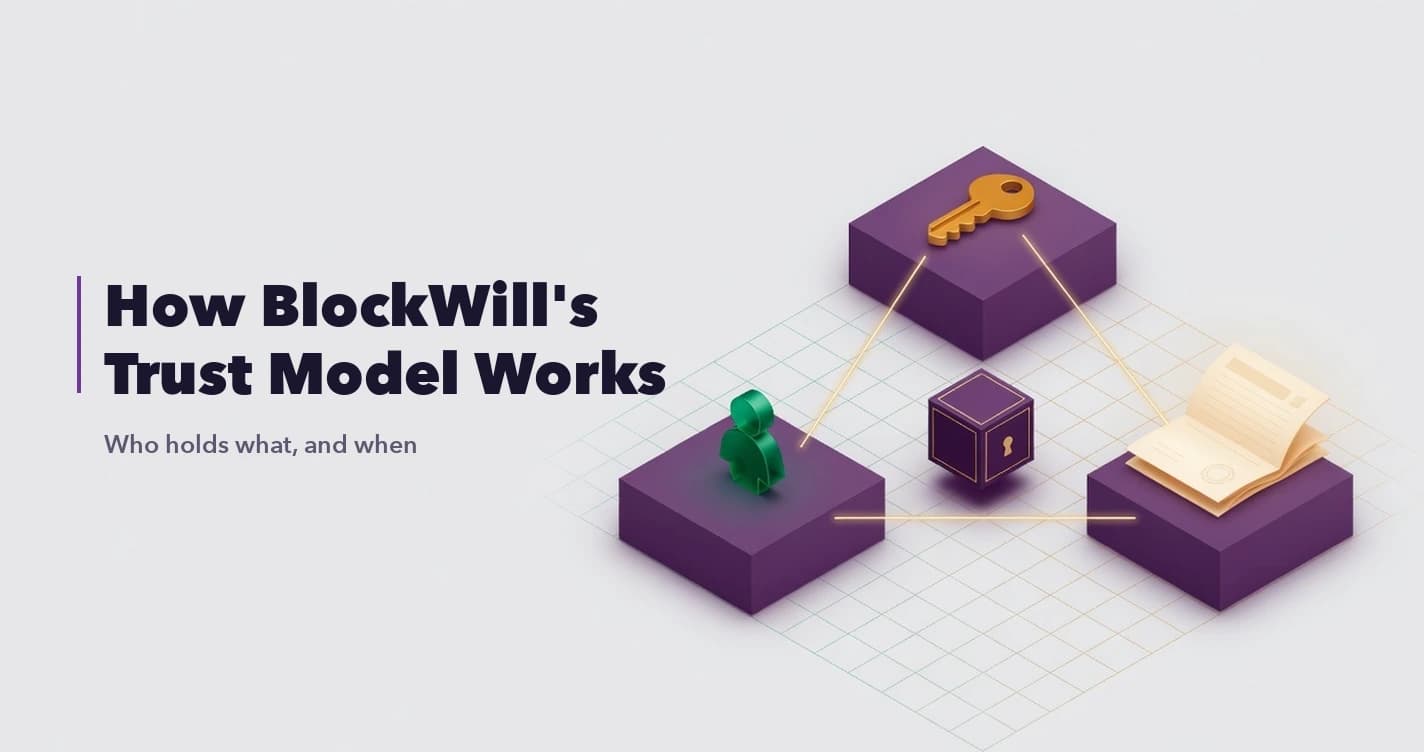
BlockWill is built around three main parts.
SecureVault. This is the safe. It is where people store sensitive things like the secret keys to their digital assets and important account information. The vault is built so that the information is locked up tightly and kept private, so it stays protected while the owner is alive.
DigiWish. This is where a person writes down their wishes. They can record what they want to happen to their belongings and who should receive what. It uses carefully prepared templates so the wishes are clear and organized. DigiWish is not the same thing as a legal will. It is best understood as proof of intent, which means a clear record of what the person wanted, written down properly.
VaultRelay. This is the clever part that decides when to act. The owner sets the rules in advance. For example, one rule is a simple inactivity timer: if the owner stops logging in for a long time, the system first tries to reach the owner to check on them. If there is still no response, it then notifies the people the owner chose. Another option is a set release date, where the owner picks a future moment for their information to be passed on. There are also separate steps for situations where someone becomes unable to manage their own affairs, which is different from passing away.
How it works, step by step
Let us go back to the grandfather and his box, but this time imagine he had used BlockWill.
First, he puts his important information into the SecureVault, where it stays private and protected. Next, he uses DigiWish to write down his wishes clearly: the savings go here, the ring goes to your mother, and each grandchild gets their letter. Then he sets up VaultRelay with simple rules about when those wishes should be carried out.
He also chooses the people who will play important roles. In BlockWill, these roles have names.
An Asset Manager handles the assets.
An Executor makes sure the wishes are carried out.
A Beneficiary is a person who receives something.
A Guardian for looking after the minor beneficiaries.
Grandfather decides in advance who fills each role.
Now, if grandfather is suddenly gone, the box does not stay locked forever. VaultRelay follows the rules he set. It reaches out, confirms the situation, and then makes sure the right information goes to the right people, exactly the way he planned. Nothing is lost. Nobody is left guessing.
To keep all of this trustworthy, BlockWill uses blockchain technology, built on a network called Polygon. The simplest way to think about blockchain is as a record book that is very hard to fake or secretly change. It helps make sure the instructions are followed honestly and cannot be quietly tampered with.
Why this matters in real life
Most people spend years building up the things they care about, both the money and the meaningful items and messages. It would be a sad ending if all of that simply got locked away because of a missing password or a forgotten note.
BlockWill exists so that the things people work hard for, and the wishes they care about, can actually reach the people they love. It turns a fragile metal box with one secret key into a safe, organized plan that works even when the owner cannot be there in person.
That is what BlockWill is: a way to make sure nothing important gets locked away and lost.
If you would like to learn more, visit www.blockwill.io.